


What Are the Risks and Benefits of Using Acetamiprid in Organic Vegetable Farming?
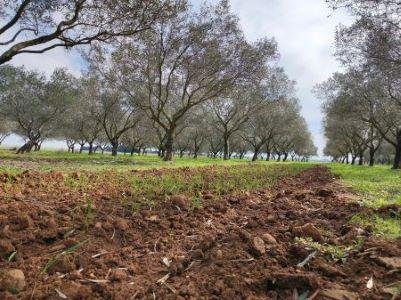
In organic vegetable farming, the choice of pest control measures is crucial to maintain crop health, environmental sustainability, and consumer trust. Acetamiprid, a neonicotinoid insecticide, has gained popularity for its effectiveness against various pests. However, its application in organic farming raises concerns about its risks and benefits. This blog explores both sides of the debate, providing insights into the role of acetamiprid in agriculture.
Understand Acetamiprid: What Makes It Unique?
Acetamiprid is a systemic insecticide belonging to the neonicotinoid class, targeting sucking insects like aphids, whiteflies, and thrips. Its chemical composition allows it to penetrate plant tissues, protecting within. This feature makes it a preferred choice for vegetables, fruits, and flowers, where external sprays may not reach hidden pests effectively.
Key Features of Acetamiprid
-
Broad-Spectrum Effectiveness: Controls pests across multiple crops, including vegetables and fruits.
-
Systemic Action: Ensures long-lasting pest resistance by absorbing into plant tissues.
Its adaptability makes formulations like Acedok 20-Acetamiprid 20% SP widely utilized in farming systems that balance pest control and crop safety.
The Benefits of Using Acetamiprid in Organic Farming
Enhanced Crop Protection
Acetamiprid 20 SP effectively manages pest populations, reducing crop loss and improving yield quality. This is particularly vital in organic farming, where pest outbreaks can devastate crops due to limited pesticide options.
Low Toxicity to Non-Target Species
When applied responsibly, acetamiprid is less toxic to beneficial insects like bees than other insecticides. Its reduced environmental persistence minimizes long-term ecological impacts, making it suitable for integrated pest management (IPM) systems.
Increased Productivity and Profitability
Acetamiprid’s targeted action ensures minimal wastage, directly impacting the productivity of vegetables, fruits, and flowers. Farmers using acetamiprid often report increased marketable yields and improved produce quality, resulting in higher profits.
"The art of farming lies in finding tools that protect crops without compromising nature's delicate balance."
Ease of Application
Acetamiprid 20% formulations, such as acetamiprid 20 SP insecticide, are user-friendly, with straightforward dosage and application procedures. Its versatility across crop types—vegetables, fruits, and even ornamental flowers—adds to its appeal to diverse agricultural systems.
Risks Associated with Acetamiprid in Organic Farming
Residue Concerns
One of the primary challenges is the potential for chemical residues in crops. Organic farming emphasizes minimal chemical intervention, and the overuse of acetamiprid could raise concerns about compliance with organic standards.
Fact:
A study revealed that detectable residues of neonicotinoids, including acetamiprid, were found in 15% of tested vegetable samples when used beyond recommended limits. This highlights the importance of adherence to guidelines.
Impact on Pollinators
While acetamiprid is less toxic to pollinators than some alternatives, irresponsible application can still harm bees and other beneficial insects. Drift during spraying or application during flowering stages can disrupt pollinator activity, affecting fruit and seed production.
Development of Pest Resistance
Over-reliance on a single pesticide like acetamiprid may lead to the development of pest resistance. This reduces the insecticide's effectiveness over time and increases the need for alternative measures, potentially complicating pest management strategies.
Environmental Implications
Acetamiprid’s systemic nature, while beneficial, can have unintended consequences. Leaching into soil and water systems may affect non-target organisms, posing risks to aquatic ecosystems and soil microbiota essential for organic farming.
Regulatory and Consumer Perception Challenges
Using synthetic insecticides like acetamiprid in organic farming may attract scrutiny from certifying bodies and consumer groups. Maintaining transparency and adhering to permissible levels is crucial to avoid reputational risks.
Finding a Balanced Approach to Acetamiprid Use
Integrated Pest Management (IPM)
IPM combines biological controls, cultural practices, and minimal chemical interventions to ensure sustainable pest management. Acetamiprid can play a role in IPM by providing targeted relief during pest outbreaks without becoming a primary defense mechanism.
Precision Application Techniques
Modern farming technologies, such as drone spraying and precision targeting, reduce chemical wastage and minimize risks to non-target species. Employing these techniques can enhance the safe use of acetamiprid.
Compliance with Organic Standards
Adherence to guidelines strictly ensures that acetamiprid use does not conflict with organic farming principles. Monitoring residue levels and maintaining documentation of applications can help farmers meet regulatory requirements.
Quick Tip:
Rotate acetamiprid with biological controls like neem oil or Bacillus thuringiensis (Bt) to prevent resistance development and promote biodiversity.
Statistical Insights Into Acetamiprid Use
-
Over 70% of farmers using acetamiprid report improved pest control effectiveness in crops like tomatoes, cucumbers, and peppers.
-
Studies suggest a 25-30% yield increase in vegetable farming with acetamiprid use under controlled conditions.
The Role of Education and Awareness
Educating farmers about 20% acetamiprid insecticide can mitigate risks and maximize benefits. Workshops, extension services, and access to clear guidelines can empower farmers to make informed decisions.
Organic farming thrives on a foundation of trust and responsibility. While tools like acetamiprid offer significant advantages, their use must align with the broader principles of sustainability and ecological harmony.

 English
 Arabic
 Spanish
 Portuguese
 Deutsch
 Turkish
 Dutch
Dutch
 Italiano
 Russian
 Romaian
 Portuguese (Brazil)
 Greek
Greek